The running briefing.

From the start line to the long run.
Running news, without the extra miles.

Headlines and opening paragraphs from running’s independent voices and leading publications. Find your next read, then go straight to the source.

How this works

Original-language articles only. No automatic translation or mixed-language feed.

Your reading list

10 stories found

Showing your selected publishers and topics.

Clear filters

Easy Ways to Prevent Itchy Legs When Running (opens in a new tab)

Experiencing itchy legs while running is a common issue. One of the most common causes is increased blood flow to the legs, which can stimulate nerve endings and cause itching. Another reason could be the reaction of your skin to sweat or the fabric of your running attire, potentially leading to a form of exercise-induced urticaria or chafing. Additionally, dry skin, especially in colder weather, can become itchy when you start to sweat and heat up during a run. Is It Normal to Have the Runner's Itch? Yes, experiencing "runner's itch" is quite normal, especially for individuals who are new to running or returning to exercise after a period of inactivity. It's usually temporary and tends to decrease as your body gets accustomed to the activity.

Read at Runnerclick | Runners best source for Reviews, Trends & News! (opens in a new tab)Gear

The Most Common Marathon Training Injuries (& How to Avoid Them) (opens in a new tab)

Marathon training injuries often stem from the high mileage and repetitive stress associated with preparing for a 26.2-mile race. Common injuries include runner's knee (patellofemoral pain syndrome), shin splints, Achilles tendinitis, plantar fasciitis, IT band syndrome, and stress fractures. Injuries can occur whether you are training for your first marathon or have done a dozen. You can avoid common running injuries if you correctly craft your training plan.

Read at Runnerclick | Runners best source for Reviews, Trends & News! (opens in a new tab)Gear

What Protein Foods Are Best for Runners? (opens in a new tab)

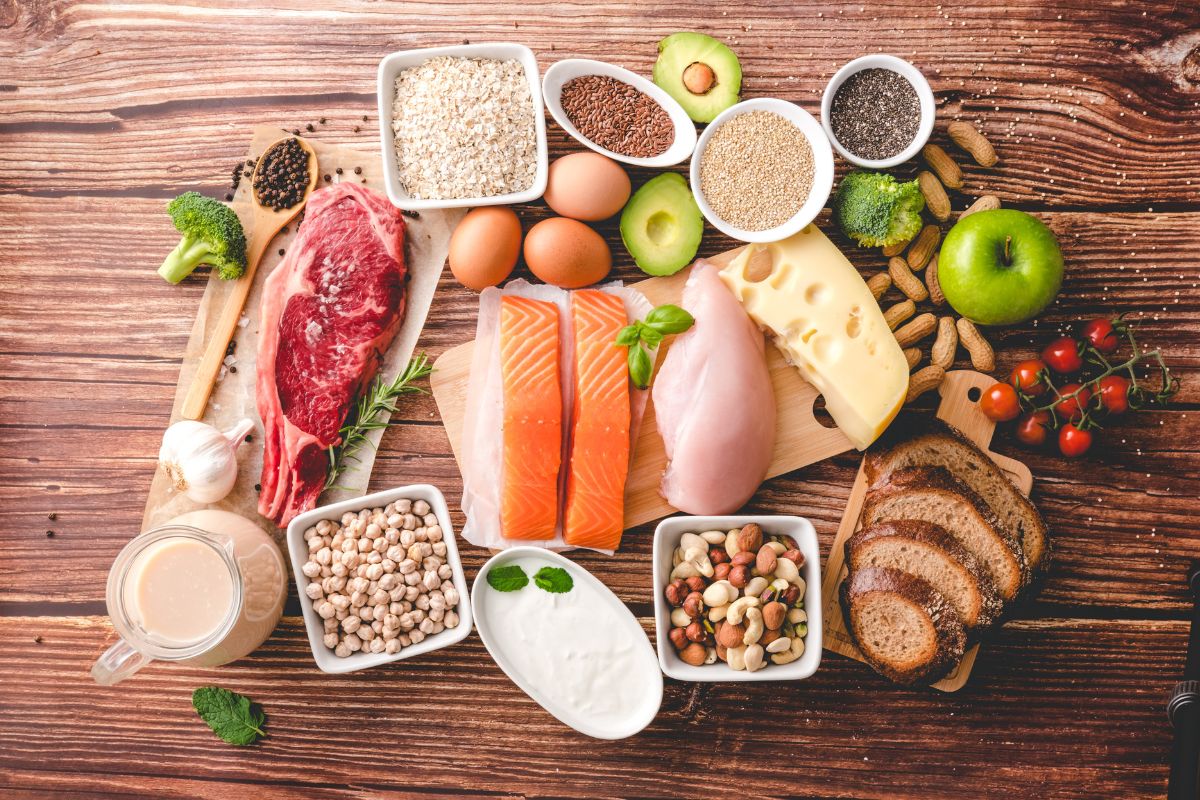
Lean meats like chicken breast and turkey offer substantial protein with minimal fat, while fatty fish such as salmon provide omega-3 fatty acids beneficial for inflammation and heart health. Eggs are a versatile and complete protein, containing all essential amino acids. For those on plant-based diets, quinoa, lentils, and chickpeas are excellent choices, offering not only protein but also fiber and essential nutrients. Distance runners often believe that their carbohydrate intake is way more important than their protein intake. Although carb loading is very important at various training phases, you must pay attention to the protein.

Read at Runnerclick | Runners best source for Reviews, Trends & News! (opens in a new tab)Gear

Exploring North Carolina's Scenic Running Trails: From Mountains to Coast (opens in a new tab)

North Carolina, with its diverse landscapes ranging from the majestic Appalachian Mountains to the serene Atlantic coast, offers many scenic running trails that cater to runners of all levels. The state's rich natural beauty provides a unique backdrop for running enthusiasts seeking to combine their love for the sport with exploring the outdoors. Exploring the Appalachian Mountains The Appalachian Mountains in North Carolina are a haven for runners seeking the challenge of rugged terrain and the reward of breathtaking vistas. Among the myriad trails that crisscross these ancient mountains, the Linville Gorge Wilderness Loop and the Mount Mitchell Trail stand out for their unique blend of natural beauty and physical demand.

Read at Runnerclick | Runners best source for Reviews, Trends & News! (opens in a new tab)Gear

10 Fruits With The Most Electrolytes to Replace Sports Drinks (opens in a new tab)

These fruits are high in electrolytes such as potassium, magnesium, and calcium, essential for hydration, muscle function, and nerve signaling: bananas, coconut water, watermelon, avocados, oranges, cantaloupes, kiwi, dates, prunes, and dried apricots.

Read at Runnerclick | Runners best source for Reviews, Trends & News! (opens in a new tab)Gear

Best Biohacking Devices for Recovery (opens in a new tab)

Recovery has become a bit of an obsession in the biohacking world and for good reason. For years, optimization meant doing more; more workouts, more supplements, more fasting, more cold plunges. But over time, many biohackers realized that progress doesn’t actually happen during the workout. It happens afterward, when your body repairs muscle tissue, regulates inflammation, restores your nervous system, and prepares you to perform again.

Read at Runnerclick | Runners best source for Reviews, Trends & News! (opens in a new tab)Training