Supercharge Your Running Shoes with VKTRY Insoles (opens in a new tab)
Sponsored by VKTRY Insoles. All training advice and product reviews are my own.
From the start line to the long run.
Running news, without the extra miles.
Headlines and opening paragraphs from running’s independent voices and leading publications. Find your next read, then go straight to the source.
How this worksOriginal-language articles only. No automatic translation or mixed-language feed.
Showing your selected publishers and topics.
Clear filtersSponsored by VKTRY Insoles. All training advice and product reviews are my own.
The half marathon is one of the most technically demanding races to pace well. Go out even slightly too fast and your body will make you pay — not gradually, but suddenly. This chart gives you the numbers. Keep reading and I’ll explain the strategy behind them. Find your goal finish time below, toggle between even and negative splits, and download a personalized chart for race day.
Every pace chart gives you numbers. This one explains why they work — and gives you the tools to use them on race day. Find your finish time in the chart below, toggle between even and negative splits, and download a personalized chart to take with you. Then keep reading for the pacing strategy behind it.

Heart rate zones aren’t theoretical. They’re the difference between a run that builds your aerobic engine and a run that just leaves you tired. Every run you do has a purpose — and your zone tells you whether you’re hitting it.
There are three ways to calculate your heart rate training zones. One is simple and inaccurate. One is moderately accurate but takes a hard test workout to set up. One is what I prefer for most runners, most of the time. This guide walks through all three — with worked examples — and tells you which one to use based on how serious you are about training by heart rate.
Four formulas, four different answers. A 40-year-old man might see anything from 178 to 186 depending on which one the tool uses. That spread is exactly why we built our calculator the way we did — and why we’re going to walk through each formula, explain what it gets right and what it gets wrong, and then show you how to find the number that actually applies to you.
Find your Zone 2 range for easy and long runs.
One of the cool things about coaching at the Olympic level is that you get to work with athletes from around the world.
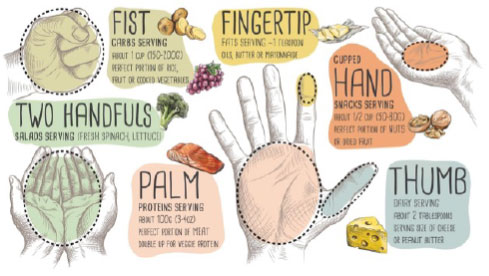
Are you like many runners and overwhelmed by all of the strength and core routines for runners?
Sponsored by ElliptiGO. All training advice and product reviews are my own.