The running briefing.

From the start line to the long run.
Running news, without the extra miles.

Headlines and opening paragraphs from running’s independent voices and leading publications. Find your next read, then go straight to the source.

How this works

Original-language articles only. No automatic translation or mixed-language feed.

Your reading list

10 stories found

Showing your selected publishers and topics.

Clear filters

Runners Are Told to Lift Heavy Weights: What Does that Actually Mean? (opens in a new tab)

The push for runners to lift heavy weights is nothing new. A decade ago, marathoners would attend Crossfit for strength training. As was the case then, this advice can feel simultaneously vague and overwhelming: how heavy is heavy, and how exactly do you manage that while also running high mileage and hitting paces on hard workouts?
Read at Laura Norris Running (opens in a new tab)Training

How to Set Your Marathon Goal Pace (Plus a Marathon Pace Chart) (opens in a new tab)

No matter how many times you run a marathon, the same question arises during training: how fast will I run my marathon? This article explains how to set a marathon goal pace, including if it’s appropriate for you to have a goal pace. At the end, you can reference a marathon pace chart to see where your goal pace lines up with a finish time.

Read at Laura Norris Running (opens in a new tab)Training

Struggling with Zone 2 Running? You May Have Set Your Heart Rate Zones Incorrectly (opens in a new tab)

The frustration is all too common: you know you should run a majority of your training easy, so you decide to start using a heart rate monitor. However, when you try to stay in zone 2 heart rate while running, you have to slow down so much you can barely shuffle. Does that mean you have “aerobic deficiency syndrome?” (No, it doesn’t.) Instead, research shows us that neither “zone 2” definitions nor predicted maximum heart rate formulas are one-size-fits-all. In this article, you’ll learn how to know if you set your zones incorrectly – and how to individualize your heart rate training zones.

Read at Laura Norris Running (opens in a new tab)Training

Should You Take Advil Before Running? (opens in a new tab)

Even before Advil sponsored runfluencers, runners have reached for non-steroidal anti-inflammatory drugs before training and races. Many runners believe that NSAIDs will reduce soreness in training or will blunt pain so they can run faster on race day. These misconceptions are outdated and potentially dangerous. NSAIDs do not improve running performance or recovery. When you misuse Advil before running, you do increase your risk of bone stress injuries, kidney injury, and more.

Read at Laura Norris Running (opens in a new tab)Training

How to Taper for a Marathon (opens in a new tab)

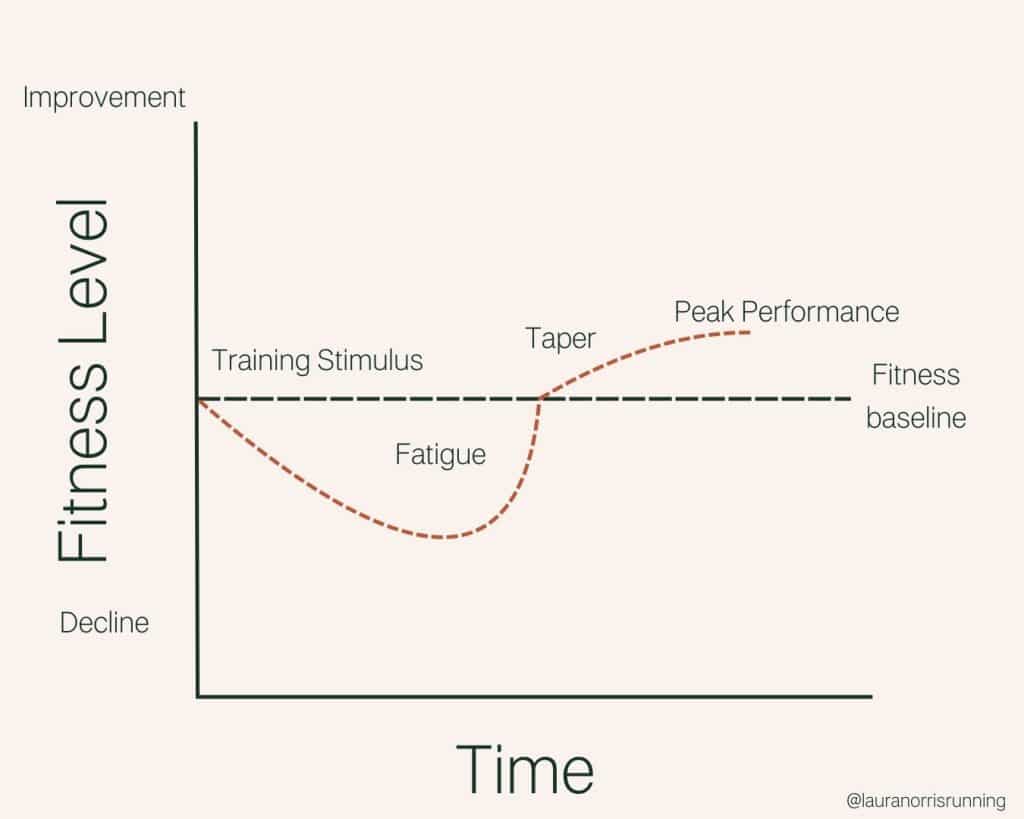
The marathon taper can feel like a tricky balance. Do too little, and you may feel stale and unfit. Do too much, and you may be overly fatigued come race day. In this article, I’ll draw from both my years of coaching experience and the most recent research to answer the questions: How long should you taper for a marathon – and what exactly should that taper look like?

Read at Laura Norris Running (opens in a new tab)Training