Running Cadence: What Is It and Why Is It Important? (opens in a new tab)
Struggling with running-related aches and pains? You’re not alone.
From the start line to the long run.
Running news, without the extra miles.
Headlines and opening paragraphs from running’s independent voices and leading publications. Find your next read, then go straight to the source.
How this worksOriginal-language articles only. No automatic translation or mixed-language feed.
Showing your selected publishers and topics.
Clear filtersStruggling with running-related aches and pains? You’re not alone.
Shin splints, medically known as medial tibial stress syndrome, is a common ailment experienced by athletes, runners, and individuals who engage in high-impact activities. Symptoms include pain along the shinbone (tibia), which often results from repetitive stress on the bone and the connective tissues surrounding it. Shin splints are preventable with the right strategies and habits. Let’s look at some prevention tips and when it’s time to seek out the professionals.
Running has become an increasingly popular activity for exercise among people of all ages. In fact, 60 million people within the United States participate in some form of running activity each year. People participate in running activities for numerous reasons including improving fitness, addressing weight concerns, running a race/competition, staying healthy, and having fun. Running for 5 to 10 minutes per day has shown to decrease the risk of death and cardiovascular disease. Running more than 50 minutes per week has also shown to reduce the risk of death from heart disease when compared to individuals who don’t participate in running at all. While running has many benefits, about 50% of people get injured each year from running. Running injuries can be caused by poor running technique, reduced strength and flexibility, improper footwear, as well as overuse.
As a sports and wellness dietitian, I love food. I love learning about food, cooking food, sharing food, and I especially love how eating certain foods can boost our health, well-being, and sports performance. If you ask my students or colleagues who have known me, they will tell you I have a “favorite macronutrient” and that’s protein. There’s a lot to love about carbohydrates, especially how foods high in carbs fuel our muscles. And fat is amazing, too—especially how foods high in fats like avocados, olives, nuts, and seeds can help lower inflammation in the body.
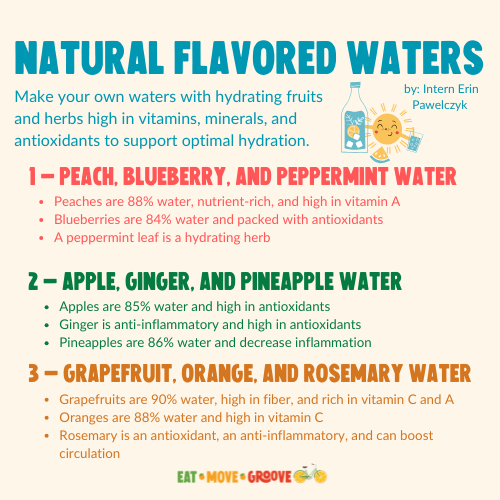
Hydration is one of the most crucial aspects of performance and recovery for runners. As both a physical therapist and avid marathon runner, I’ve seen firsthand how proper hydration can make or break a run. Here’s a guide to optimizing your hydration strategy, covering how much to drink, the balance between water and electrolytes, and when to hydrate.

Runners are some of the most motivated and driven athletes we encounter in the physical therapy world. Most of the time, this is great, but sometimes, they push through aches and pains until they turn into injuries. A common complaint we hear in runners is knee pain. Although pushing through some pain is okay, it should never limit your performance. Here are a few proactive ways to avoid knee pain and go that extra mile.

Maintaining proper hydration before, during, and after training and races is crucial for several reasons:
Shin splints, or medial tibial stress syndrome, are a common issue among athletes, runners, and active individuals. This condition involves pain along the inner edge of the shinbone (tibia) and is often caused by repetitive stress on the bone and surrounding muscles. While shin splits are not usually serious, ignoring the symptoms can lead to more severe issues like stress fractures.
If there is anything runners have in common, it is our outright disdain for one thing: Stretching.