Life is a Wild Ride (opens in a new tab)
Life has sure been interesting lately with lots of ups and downs! Read on...

From the start line to the long run.
Running news, without the extra miles.
Headlines and opening paragraphs from running’s independent voices and leading publications. Find your next read, then go straight to the source.
How this worksOriginal-language articles only. No automatic translation or mixed-language feed.
Showing your selected publishers and topics.
Clear filtersLife has sure been interesting lately with lots of ups and downs! Read on...
Ryan Lange thought nine years of ultrarunning had given him a pretty good idea of his limits, until mile 88 of the Summit 200 changed everything. When he learned he was leading the race, pain suddenly became less important, his mindset shifted, and he began pushing at a level he hadn’t known was there. Ryan breaks down the practical pieces that helped make that breakthrough possible, including gradually shifting his sleep schedule before race day, training his gut to handle huge amounts of fuel, strategically using caffeine, keeping aid stations efficient, and giving his pacers permission to push him hard. He also explains why his training has evolved from 80 to 100-mile weeks toward a more sustainable 40 to 60 miles most weeks, because he wants running to support his life rather than consume it. The conversation goes beyond racing into how years of failing, adapting, and slowly improving have shaped Ryan as an entrepreneur and taught him to value discipline over instant success. Ultimately, it’s a conversation about the intriguing possibility that the limits we think we’ve discovered may simply be the limits we’ve experienced so far.
After several years of heavy training and chasing ambitious times, I realised that I had lost touch with one of the most important ideas in running: Racing is a game, and running is supposed to be fun. I intuitively understood this as a kid, when I’d play tag, run after a ball, or race kids in school. I wasn’t overthinking it. I was just running and enjoying it.
Walk into any supermarket and you’ll find products promising to be high protein, low fat, no added sugar, natural, or healthy. But how much can you really tell about a food from the front of the package?
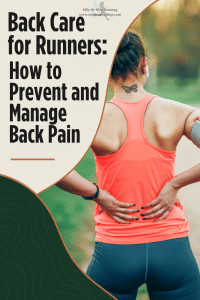
Running is a great way to build fitness, strength, and endurance, but it can also place repetitive stress on your body. For some runners, that stress can contribute to lower back pain, stiffness, or discomfort that makes running less enjoyable. However, taking care of your back doesn’t have to mean giving up running.
If you are training for a race it’s time to start thinking not only about your training plan, but also your recovery plan. While recovery is part of any good training plan, a specific recovery strategy, a plan within the plan, will help keep you healthy and uninjured through the training and the race.

Sunday 27th September marked the date of one of our favourite events on the running calendar, the Vitality London 10k. The event attracts thousands of participants every year and despite a huge turnout from HAC, we somehow manage to have more and more representation every year!

As the evenings become darker and the nights draw in, it’s important that we all take extra care when running outdoors, whether you’re training at one of our coached sessions, or running alone. With many of our training sessions taking place after dark in the winter months, Hillingdon AC requires that all members attending our coached training sessions wear high-visibility (hi-vis) clothing. It’s not just for your safety, but also for others such as pedestrians and road users, so stay safe and be seen!

Exciting changes are on the horizon for Felixstowe Road Runners as we work towards introducing a new club kit supplier. Over the summer, while many of us have been enjoying training and racing in...
TUESDAY: over/under session THURSDAY: 400s with reducing rest WEEKEND: long run with fast finish See post for full details of each session.Read more Seniors’ Endurance Training w/c 27.9.2026
When I was in the woods on Sunday, I noticed a foul smell in several locations. I suspected dead animals, but didn't see any on my run that day. On Wednesday's run, I discovered the reason for the smell when I spotted a dead deer next to one of the creeks. My heart sank. I have been reading about EHD-epizootic hemorrhagic disease--in deer in Wisconsin and learned that it has also affected deer in northern Illinois. I suspected EHD in the deer and reached out to the forest preserve district office to inform them of what I found. I received a thoughtful answer to my concerns. I was hoping they'd remove the deer to keep the disease from spreading throughout the herd, but I was told that the disease doesn't spread from deer to deer. Instead, the disease spreads via infected 'midges', which I was told will die off during the first frost.

The silver-medal-winning shot-put thrower admits to being disappointed at not winning gold in Nagoya despite feeling good about his body

Page 18 of 55